Sport Empowers disabled youth
Educational Materials and Resources from the SEDY2 Project. Inclusion and equal opportunities in sport for youth with disabilities.
The Project
Every person has the same right to participate in play, recreation and sporting activities, but equal access has not always been the case for youth with disabilities. Youth with disabilities are generally less physically active, participate less in sports activities and show a reduced fitness level compared to their non-disabled peers.
SEDY2 aims to address these issues by encouraging inclusion and equal opportunities in sport. Therefore, the project partners analyzed the field of sport and inclusion as well as the specific needs of disabled youth. Based on these findings, educational materials and practical resources were developed for practitioners, coaches and other stakeholders. To find out more about the project, you can also visit its official website.
SEDY2 aims to address these issues by encouraging inclusion and equal opportunities in sport. Therefore, the project partners analyzed the field of sport and inclusion as well as the specific needs of disabled youth. Based on these findings, educational materials and practical resources were developed for practitioners, coaches and other stakeholders. To find out more about the project, you can also visit its official website.
Educational Materials
The following learning module is based on the focus group results and the practical materials and interventions within the SPIN tool. The module is targeted for (future) sport professionals, volunteers and everyone else interested in the field of adapted physical activity. In this section, you can find the different chapters of the learning module which consist of interactive videos, texts, digital quizzes, and additional materials for teachers.
This video shows the perspectives of youth with a disability, their parents and sport professionals on inclusion in sport. It's the result of our SEDY focus group study in Finland, Lithuania, Portugal and the Netherlands.
At the end, you will have a good understanding of the meaning of inclusion in sport and how to apply to your context.
At the end, you will have a good understanding of the meaning of inclusion in sport and how to apply to your context.
It's important for young people with disabilities to have a choice and to make sure everyone can participate. In this video you will see practical examples of different ways of including young people with disabilities in sport.
At the end of this chapter you will have a good understanding of the different sport opportunities open for young people with disability.
At the end of this chapter you will have a good understanding of the different sport opportunities open for young people with disability.
In this video you will see examples how to use the TREE model, which is a model you can use to help adapt and modify activities for people with disability and it stands for: Teaching style, Rules and regulations, Equipment and Environment.
At the end, you will have an understanding of the TREE model – a model you can use to adapt sport activities to suit the needs of young people with a disability.
At the end, you will have an understanding of the TREE model – a model you can use to adapt sport activities to suit the needs of young people with a disability.
Good and effective communication is key to successful inclusion. In this video you’ll see a range of communication skills being used in a group situation and for individuals within a group.
At the end of this chapter you will have an understanding of the importance of using different modes of communication and individualising activities to suit the needs of young people with disability. To find out more about providing for individual participant needs, you can also consult the guidance below about developing a Personal Adapted Physical Activity Instructor (PAPAI) programme.
At the end of this chapter you will have an understanding of the importance of using different modes of communication and individualising activities to suit the needs of young people with disability. To find out more about providing for individual participant needs, you can also consult the guidance below about developing a Personal Adapted Physical Activity Instructor (PAPAI) programme.
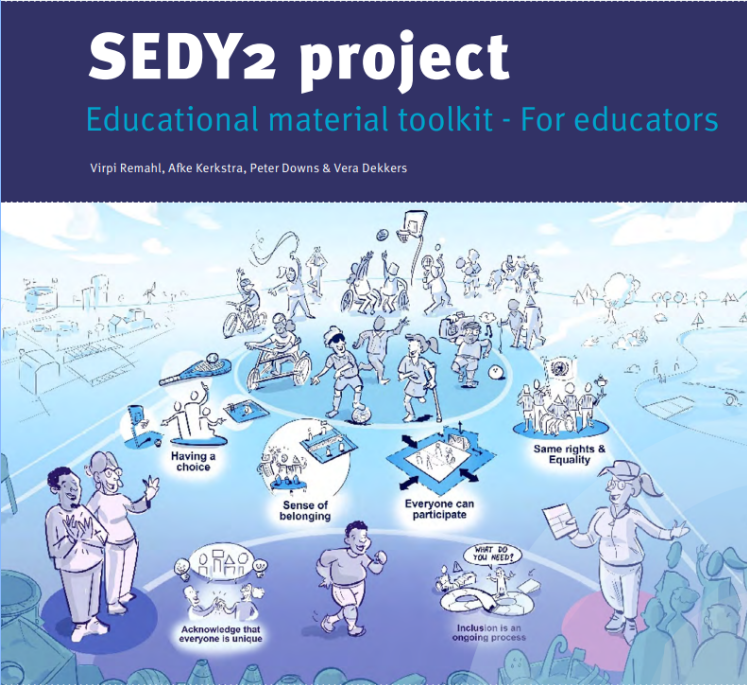
This toolkit is aimed at people involved in educating students or volunteers on inclusion in sport for young people with disabilities, who are managing, working in a sports club or involved in the development of sports policy. They could be a volunteer, a coach, a club member or a policymaker.
In particular, this toolkit provides guidance on how to use, and expand on, the videos and other materials from the SEDY2 project in a teaching setting.
In particular, this toolkit provides guidance on how to use, and expand on, the videos and other materials from the SEDY2 project in a teaching setting.
SPORT PARTICIPATION
AND INCLUSION
The findings of the focus group research and the expertise within the SEDY2 project team are translated into practical materials to create more inclusion in sport for youth with a disability. Together, these practical materials form the Sport Participation and INclusion (SPIN) tool. The SPIN tool has been implemented amongst the educational as well as sport institutes participating in this project. In this section, the practical materials will be explained and can be downloaded to spread and use in practice.
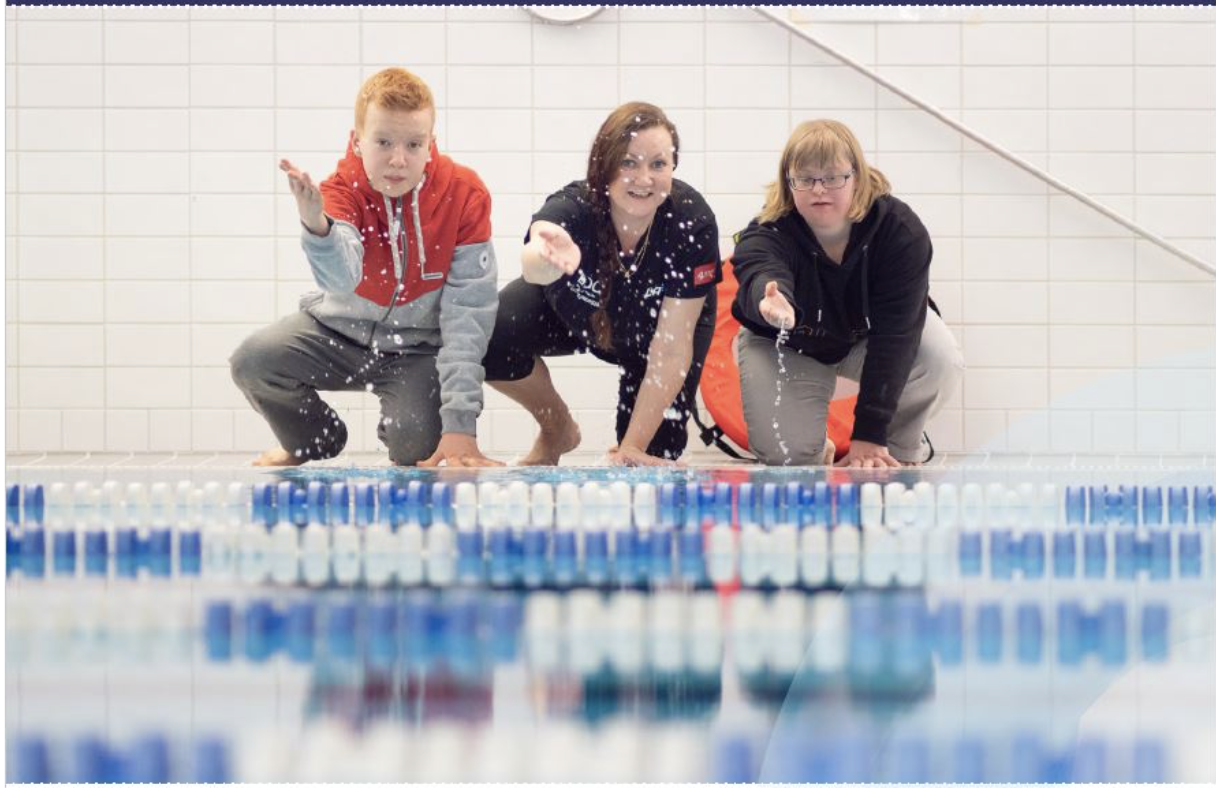
- Inclusion Handbook for Sport ClubsThe Inclusion Handbook is aimed at anybody involved in running or working in a sport club, such as a volunteer, a coach, or a club member. The goal of the handbook is to facilitate disability inclusion among mainstream sport providers by sharing SEDY2 project partners’ best practices and inclusive ideas.
 Download
 - Inclusice Focus GroupsThis Inclusive (Online) Focus Group Guidance provides easy-to-use
guidance document on how to deliver inclusive focus groups to attain the authentic views, wishes and feelings of children and youth with a disability
about inclusion in sport in practice. This guidance document was produced in order to support other practitioners in conducting inclusive focus groups. The focus group guidance can easily be adapted to cover other topics and can also be used effectively with all (young) people.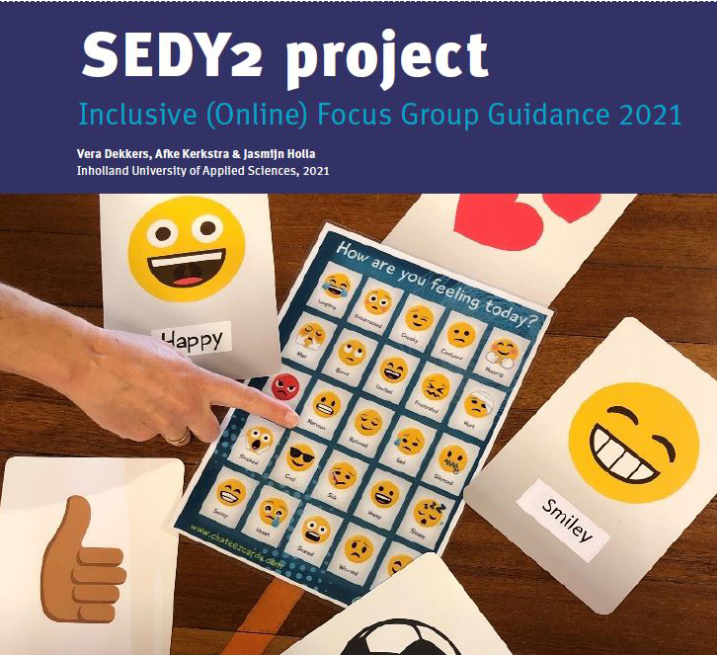 Download
 - PAPAI programme handbookThe Personal Adapted Physical Activity Instructor (PAPAI) programme is a social support model intervention where a student or volunteer helps a child or young person with disabilities to find a suitable sport hobby. The aim of the programme is to help children and youth with disabilities to find a hobby in sports or physical activity settings and increase their physical activity levels. The goal of the PAPAI handbook is to provide all necessary information for institutions such as universities and municipalities to launch a national PAPAI programme or similar initiative.
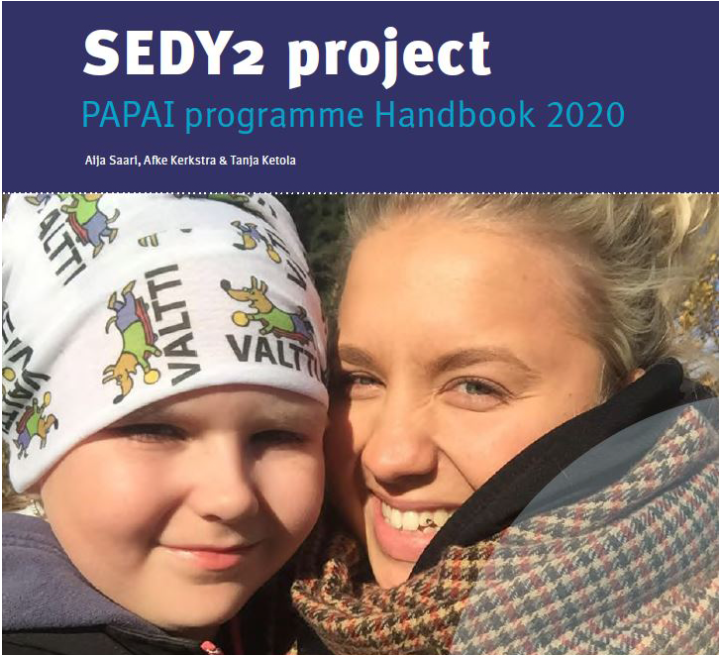 DownloadA series of videaos presenting the programme from the Finnish Paralympic Committee can also be accessed here.
 - Inclusion Best PracticesThe Collection of Inclusion Best Practices report contains good examples of inclusion on youth with a disability in sport at the community and institutional level. This report includes a detailed description of the process of building and using the SEDY2 approach for collection international best practices in sport, the criteria and template used to collect the SEDY2 best practices and the list of SEDY2 international best practices on inclusion in sport for youth with a disability.
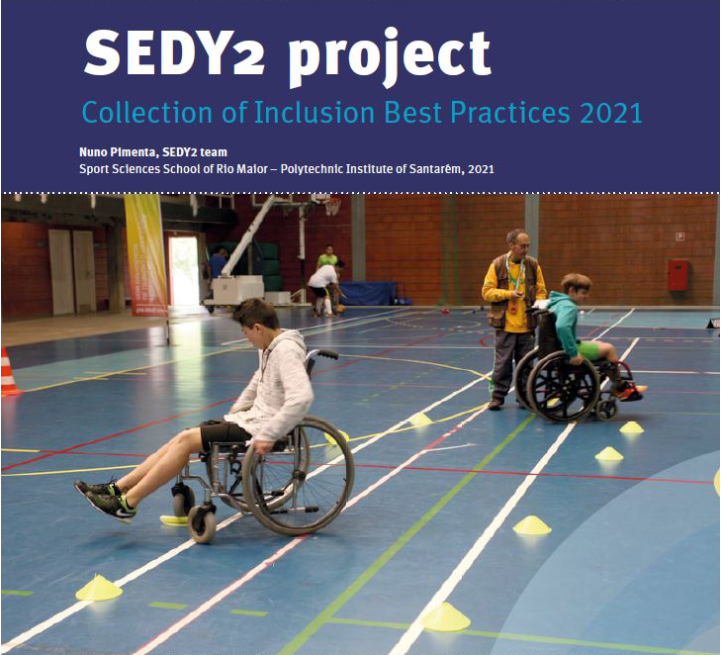 Download
 - Hobby Finder Tool reportOne of the aspects found on the meaning of inclusion in sport is that children and young people with a disability want to have a choice in sport. But where can youth find sport opportunities? Even though people have access to more information than ever before, the information is often scattered across the internet. Sport clubs with suitable offers often do not reach their target groups through their traditional marketing and communication channels. The Hobby Finder Tool report describes existing online hobby finder platforms (Löydä oma seura (FI), ParaMe (SE) & Uniek Sporten (NL)) that makes it possible to search for applied sporting possibilities. In this report different platforms are compared and best practices are shared.
 Download
understanding inclusion
To encourage inclusion and equal opportunities in sport for youth with a disability, it is essential to understand the meaning of inclusion in sport in practice for this group. Therefore, we conducted focus group interviews with youth with a disability, their parents and sport professionals in Finland, Lithuania, Portugal and the Netherlands.
The video below highlights key results, while the full statement can be downloaded below.
The video below highlights key results, while the full statement can be downloaded below.
Partners